Videography Trends to Watch in 2026
The videography landscape is shifting faster than ever. What worked two years ago already feels dated. As brands fight harder for attention in an oversaturated digital space, the way we shoot, edit, and deliver video content is being fundamentally reimagined.
Here are the trends we're watching — and actively using — heading into 2026.
1. Vertical-First Is No Longer Optional
For years, vertical video was treated as a compromise — a crop of something originally shot in 16:9. That era is over. With TikTok, Instagram Reels, and YouTube Shorts driving the majority of discovery for brands, vertical-first production has become the default starting point for many projects.
This doesn't mean horizontal is dead. It means the best videographers are now composing shots that work in both orientations simultaneously, or shooting dedicated vertical passes on set. We've been doing this for our clients since 2023, and the engagement numbers speak for themselves.
2. Documentary-Style Brand Films
Audiences are exhausted by polished corporate videos with stock music and generic voiceovers. The pendulum has swung toward authenticity — real people, real environments, imperfect moments captured with intention.
Documentary-style brand films let companies show rather than tell. Instead of a CEO reading from a teleprompter, you follow the team through a real workday. Instead of product beauty shots on a white cyclorama, you see the product in the hands of actual customers. The rawness builds trust in a way that high-gloss production simply can't.
3. AI-Assisted Post-Production
AI isn't replacing videographers — but it's dramatically accelerating post-production workflows. Tools for automated color matching, noise reduction, transcript-based editing, and even rough-cut assembly are saving hours on every project.
The key is knowing when to lean on these tools and when to trust your eye. AI can handle the mechanical work — syncing audio, generating subtitles, cleaning up footage — but the storytelling decisions still require a human perspective. The best studios are using AI to remove friction, not replace craft.
4. Cinematic Short-Form
There's a growing demand for content that has the production value of a commercial but the format of a social media post. Think 15-second spots shot on cinema cameras with professional lighting and sound design, specifically crafted for Instagram or TikTok.
This trend is being driven by brands that understand quality compounds over time. A beautifully shot 15-second video gets shared, saved, and rewatched. A mediocre one gets scrolled past. The investment in cinematic short-form pays dividends in brand perception.
5. Behind-the-Scenes as Content
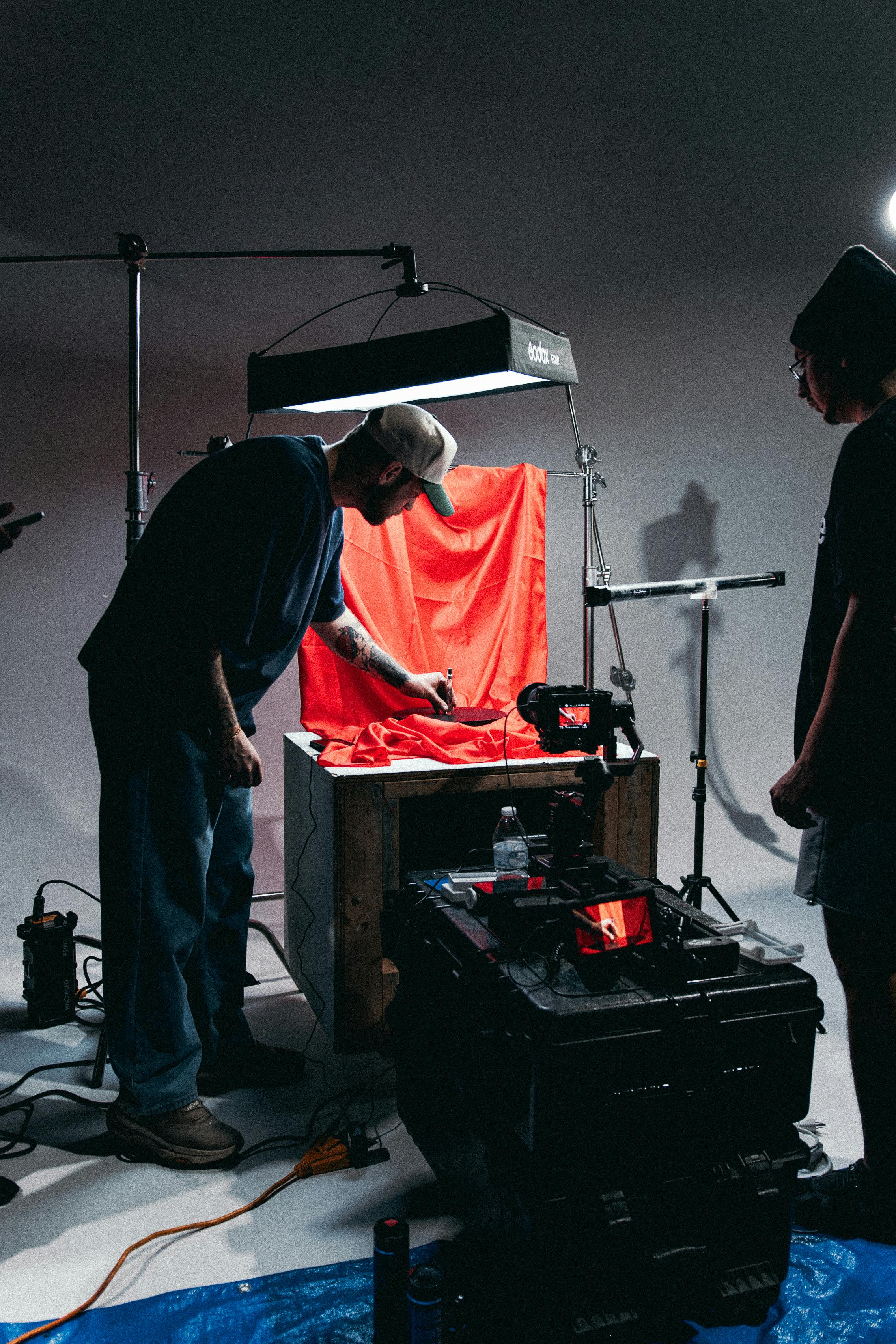
Audiences want to see the process, not just the result. Behind-the-scenes content — raw clips from set, gear breakdowns, editing walkthroughs — has become a content pillar for brands and creators alike.
This isn't just filler between "real" posts. BTS content humanizes your brand, builds anticipation for upcoming releases, and gives your audience a reason to follow you beyond your core product. Some of our most-engaged posts are simple behind-the-scenes clips from client shoots.
Looking Ahead
The through-line across all of these trends is the same: audiences want to feel something. They want authenticity, craft, and intention. The tools and formats will keep evolving, but the fundamentals of great storytelling haven't changed.
If you're planning video content for 2026, start with the story you want to tell — then find the format and style that serves it best.